

Kristy Yates was a fifteen year old girl from Hot Springs, Arkansas who disappeared in April of 1997. She was last seen alive on April 24, and her body was found several days later in an isolated area outside of town. Her case remains unsolved.
The location of her body has always shaped how investigators view the crime. It was not a spot a child or teen would wander into by accident. It was a place that required purpose, transportation, and familiarity.
The Quarry Location
A remote, industrial site
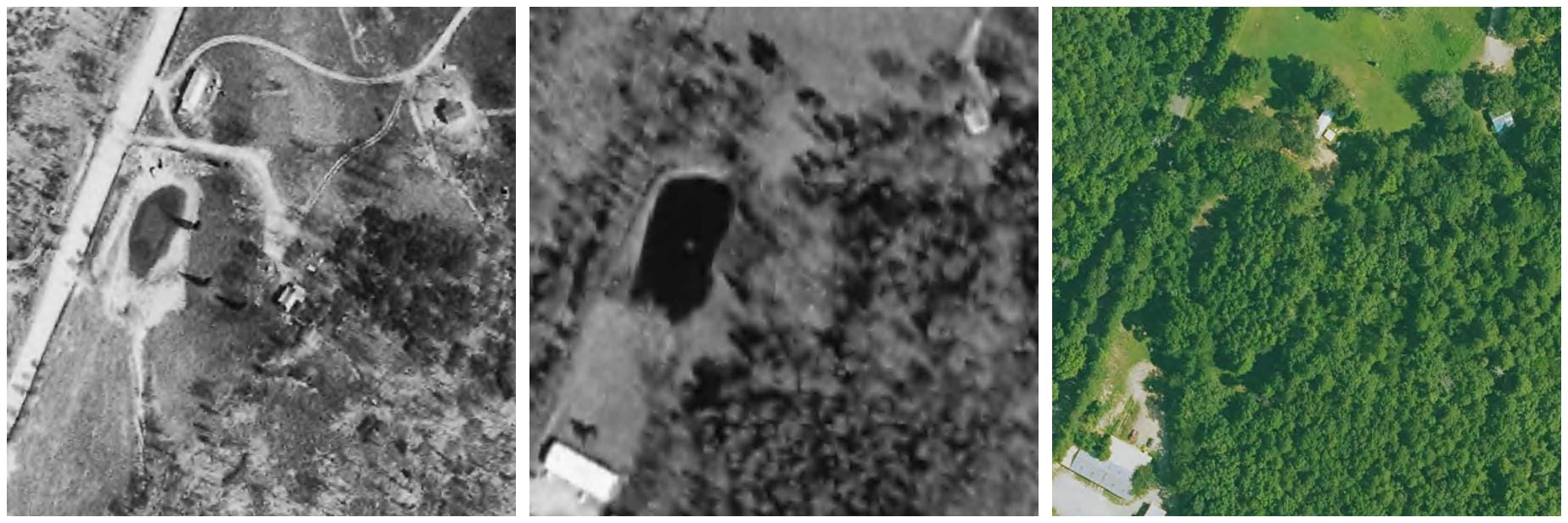
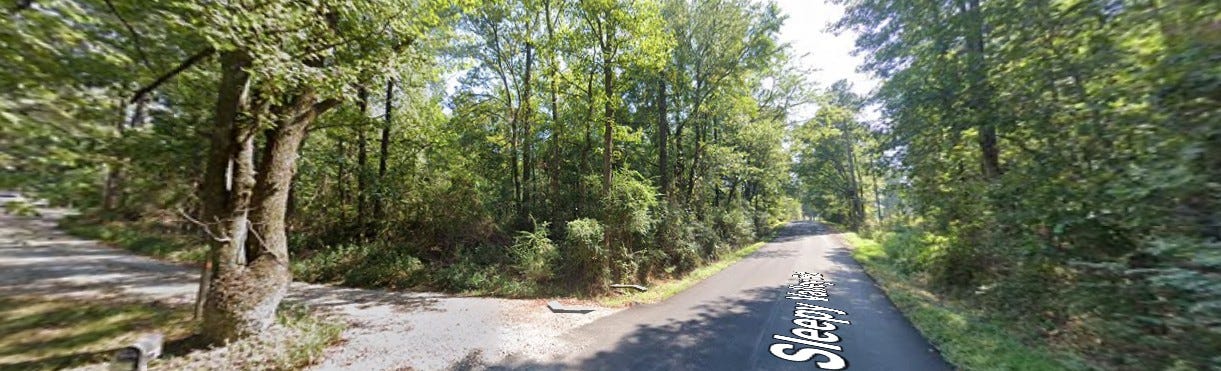
Kristy’s body was found in what locals often refer to as the quarry or the gravel pit on Sleepy Valley Road. It was a rugged, partially wooded area with dirt access roads. It sat just off the country road away from heavy traffic.
The quarry area included:
• Thick brush
• A large pit carved into the ground
• Access roads that turned muddy after rain
• Minimal visibility
This location worked in the offender’s favor. Someone could approach the site without being seen from the main road. Once inside, activity could easily go unnoticed.
Why the quarry mattered to investigators
1. It suggested the killer knew the area
This was not a random public spot. It required local knowledge or prior experience. Investigators have long noted that the disposal site pointed to someone who either worked in that region, lived nearby.
2. It provided time and concealment
The quarry was quiet at night. There were no houses directly overlooking the pit. Noise from vehicles or movement would not draw attention. The terrain created visual barriers. This gave the killer time to leave Kristy’s body without interruption.
3. It shaped the estimated timeline
Because the quarry is so secluded, and because the ground and vegetation provided some insulation, establishing a precise time of death became difficult. Investigators have hesitated to lock down a firm timeline.
4. It influenced how the crime was understood
The violence Kristy suffered and the remote location suggested the killer selected the quarry deliberately. This was not a spontaneous place to leave someone. It was chosen.
Surrounding details connected to the quarry
• The road leading to the pit off Sleepy Valley Road was uneven and narrow. A normal sedan could make it but not without some effort. This suggested a driver comfortable with the terrain.
• Locals in the late 1990s often used rural quarries for drinking, riding four wheelers, or hanging out. Investigators interviewed people who were familiar with that specific pit.
• Because the area was frequented by teens, deputies questioned multiple young people who had been around the site in the days before and after Kristy disappeared.
Why the quarry remains central today
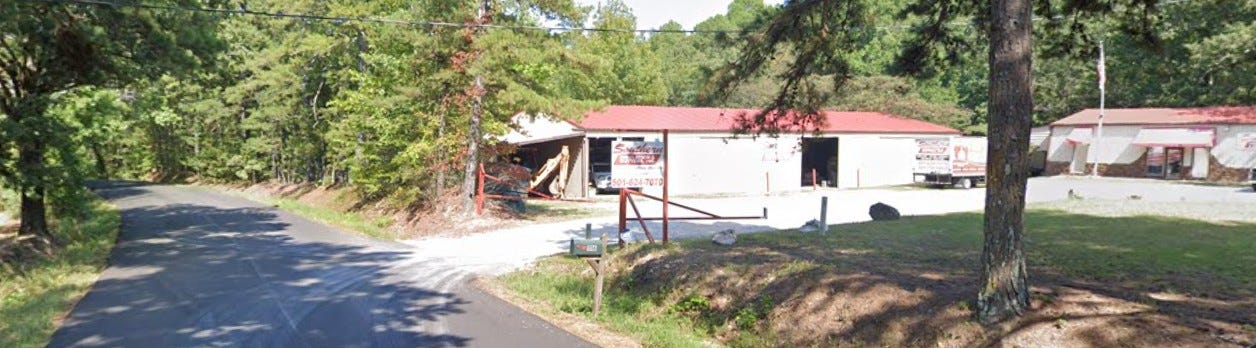
Nearly thirty years later, the quarry still represents one of the most revealing pieces of the case.
It tells investigators:
• Kristy was not killed where she was found.
• She was brought there.
• The person who brought her had enough privacy and confidence to move a body on rough terrain.
• The person either knew the quarry well or had been shown the area before.
Combined with the location of her body, the lack physical evidence at the scene, the pattern of injuries, the site continues to anchor the case timeline.